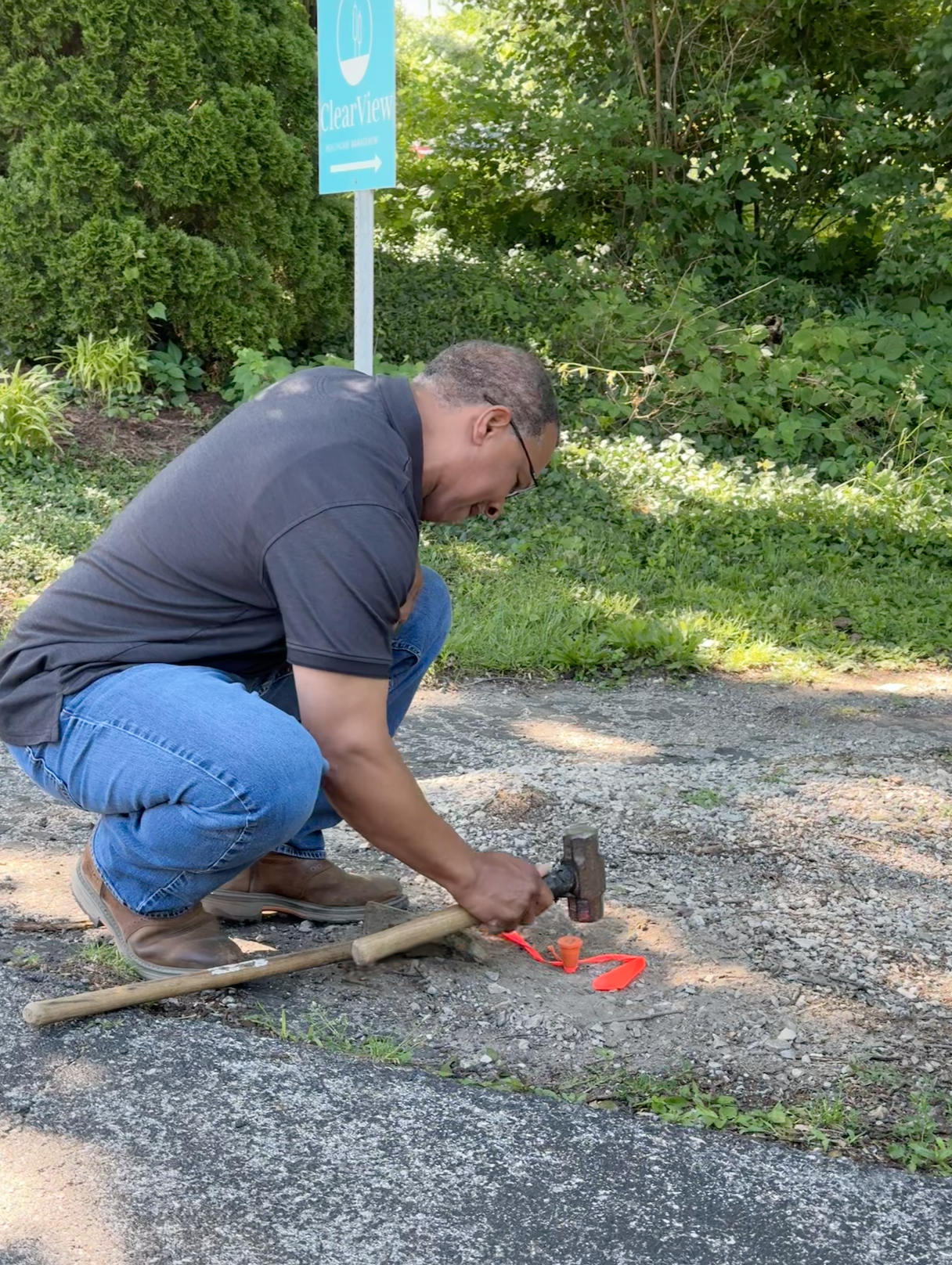
Trail connecting the neighborhood and community center to Cherokee Park
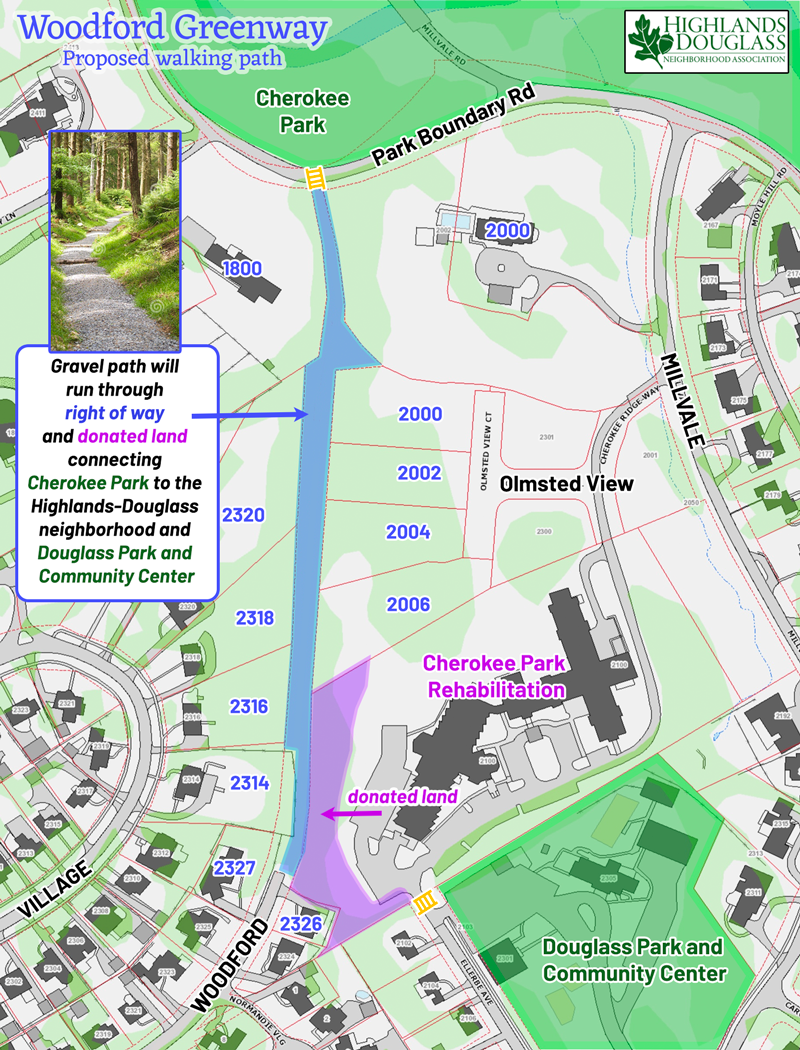
A new gravel trail will run from the end of Woodford Place through existing right of way and newly donated land, connecting Cherokee Park to the Highlands-Douglass neighborhood, and to the Douglass Park and Community Center.
Sign up if you are interested in physically clearing the path of invasive species and old branches, build trails and lay gravel. Olmsted and Metro Parks will be leading the path marking and clearing effort, but need volunteers help to get it done! We will email you dates and times for multiple trail building events.
As part of the HDNA approved neighborhood plan from 2006, the Board, community, Louisville Metro, and Metro Council recommended forming “better connections to provide safer bicycle/pedestrian access to Cherokee Park” and “Develop neighborhood greenway for Woodford Place extension” and “Explore potential connection from Douglass Community Center to Woodford Place Greenway.“
The new Woodford Greenway will connect the end of Woodford Place to Cherokee Park (1,200 ft), and to Douglass Park and Community Center (250 ft). In fact, this right of way and donated land adds almost 2 acres of public greenspace and walkability!
This would not have been possible without the generous three quarter acre land donation provided by Cherokee Park Rehabilitation. The HDNA also raised over $25,000 in donations to fund the building of the trail, with additional time and resources from employees at Metro Parks and Olmsted Parks, and volunteers from the community and HDNA Board. And the Louisville Metro Department of Transportation is designing a safe crosswalk at Park Boundary Rd, to be paid for by councilman Ben Reno-Weber and the HDNA.
For the first time, children attending summer camps at the Douglass Community Center will not need a school bus to get them to Cherokee Park safely, only a thousand feet away. Many neighbors and visitors, children and families, rehabilitation residents and staff, will not need a car to drive and take parking space in Cherokee Park.
Let’s continue this work from our neighborhood plan to provide safe access to parks, included ways to safely walk on Millvale and Valetta, and many other streets within Highlands-Douglass that do not have sidewalks. Improving mobility choice, safety, and access is essential for any healthy, livable neighborhood.
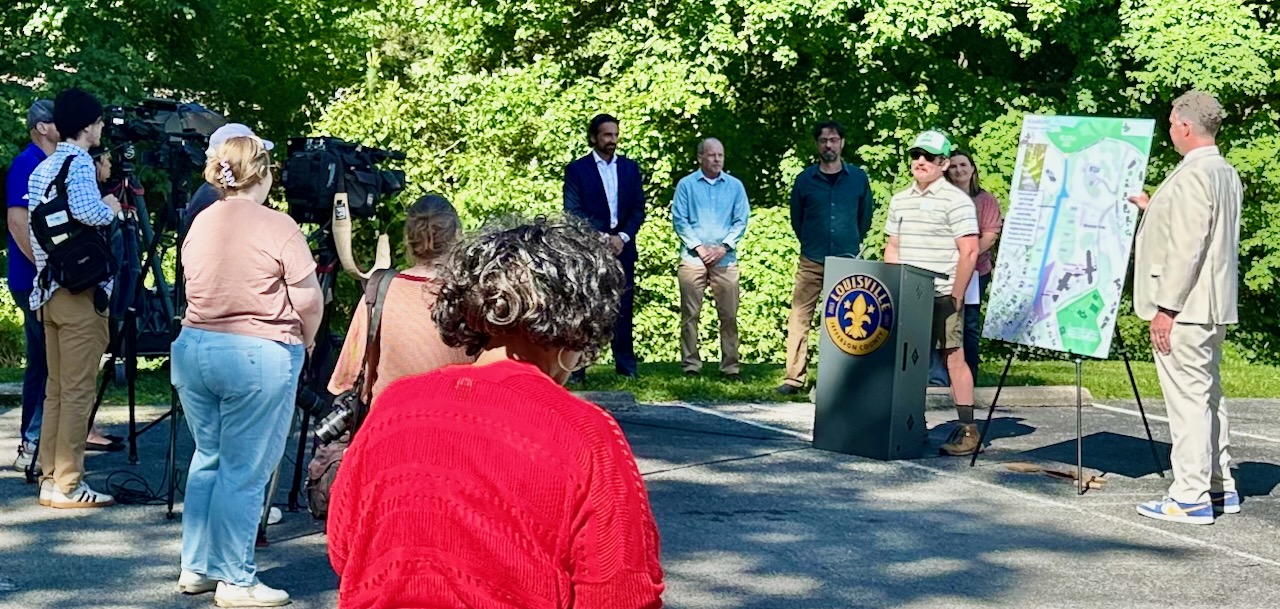
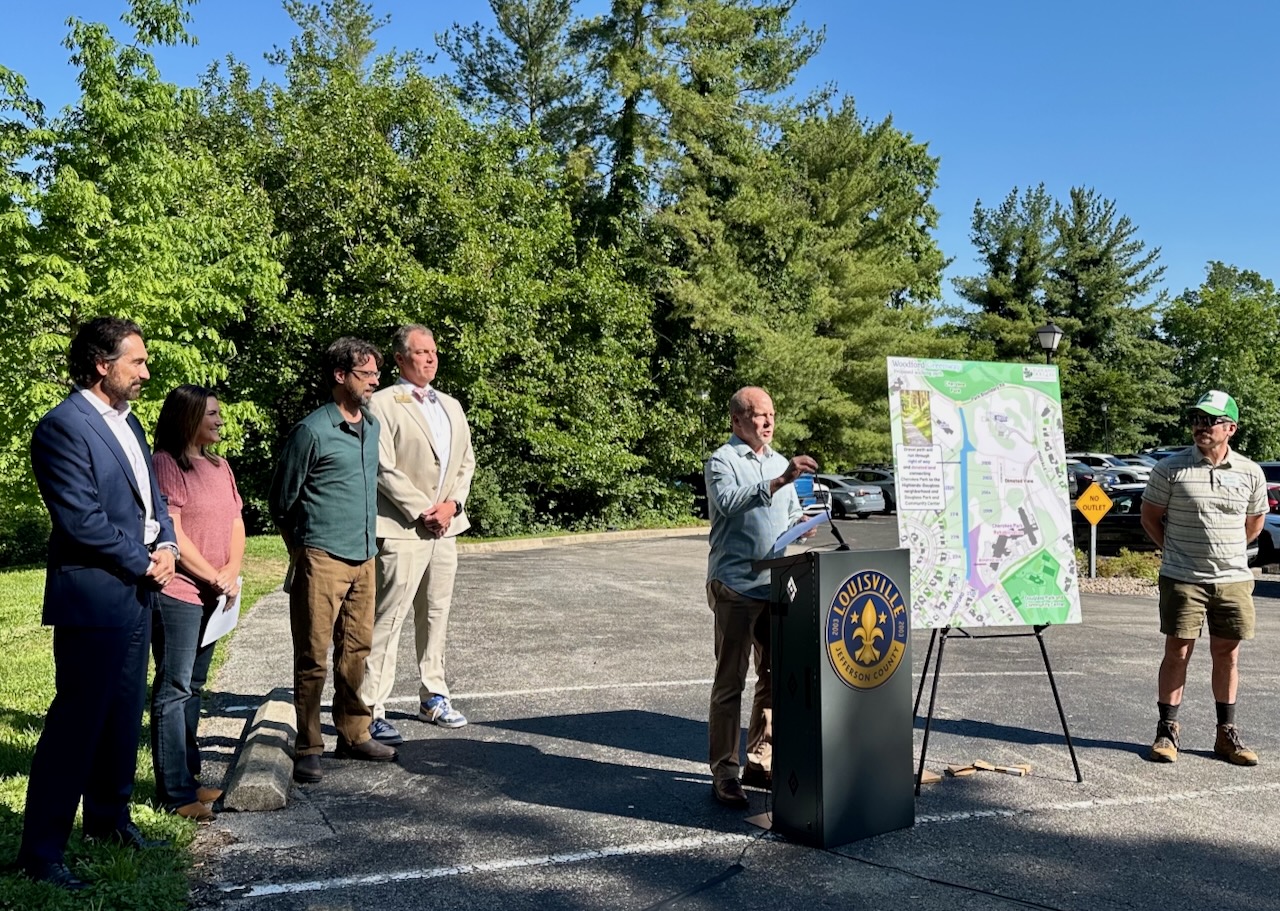
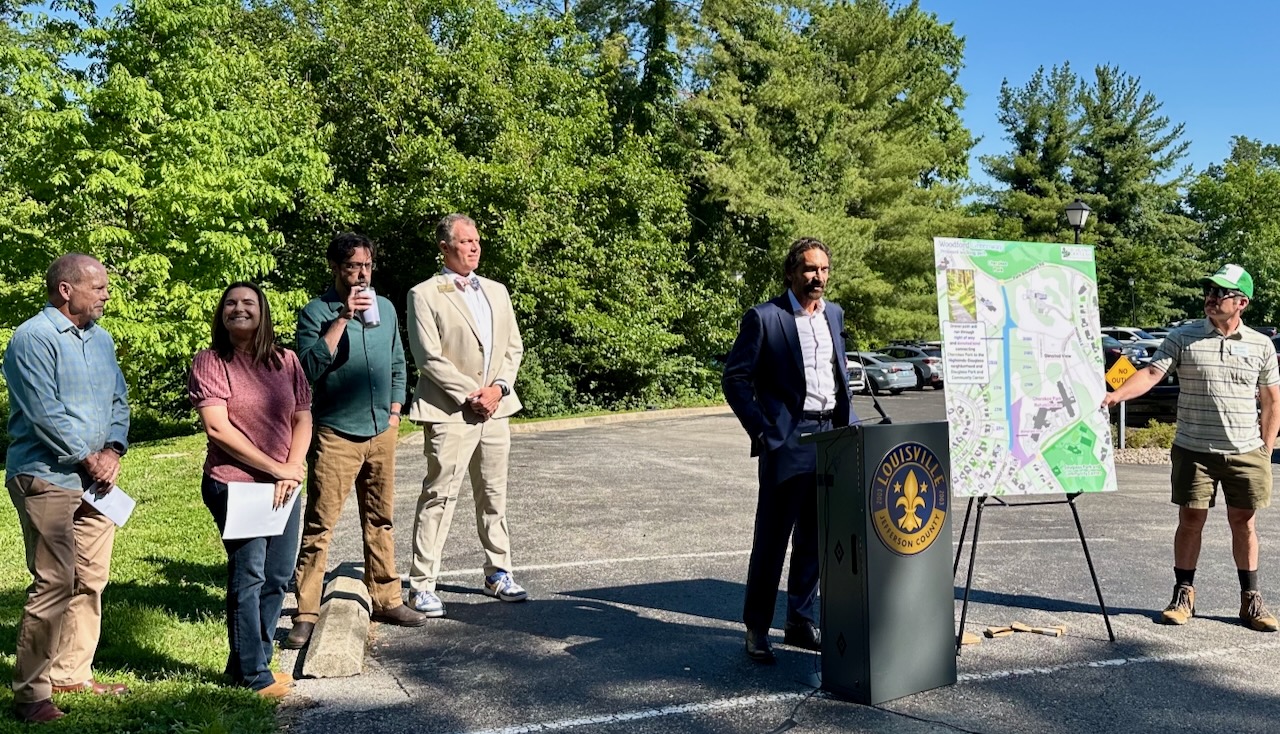
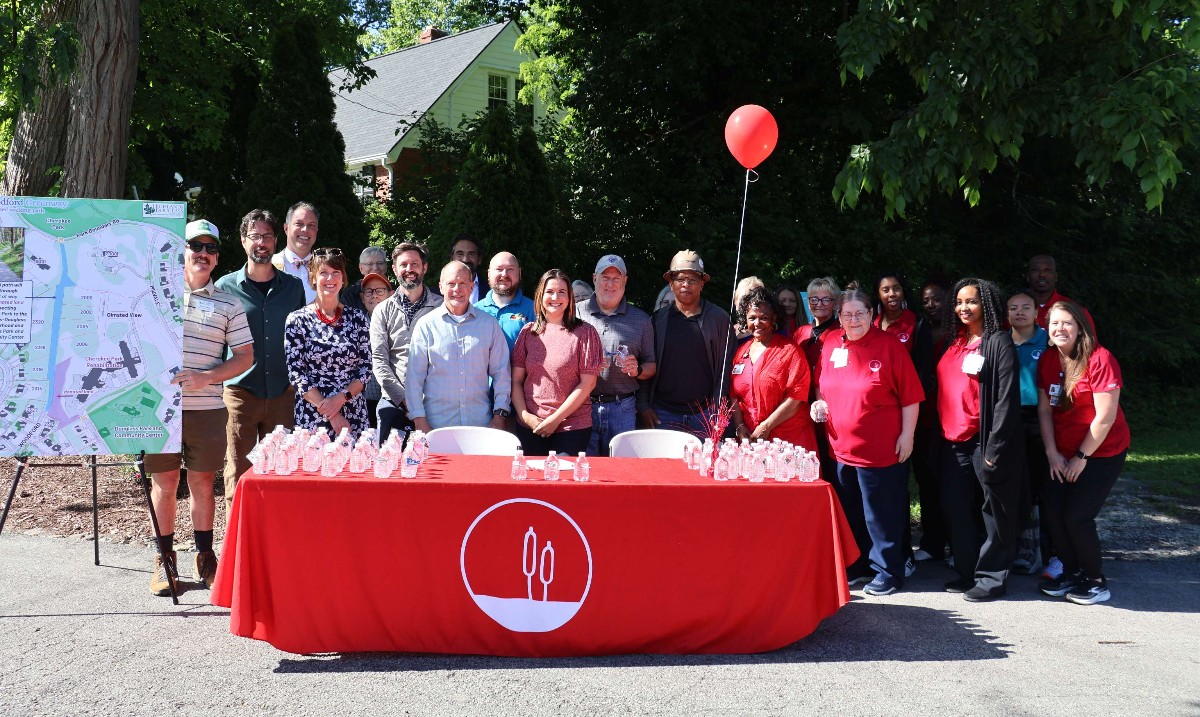
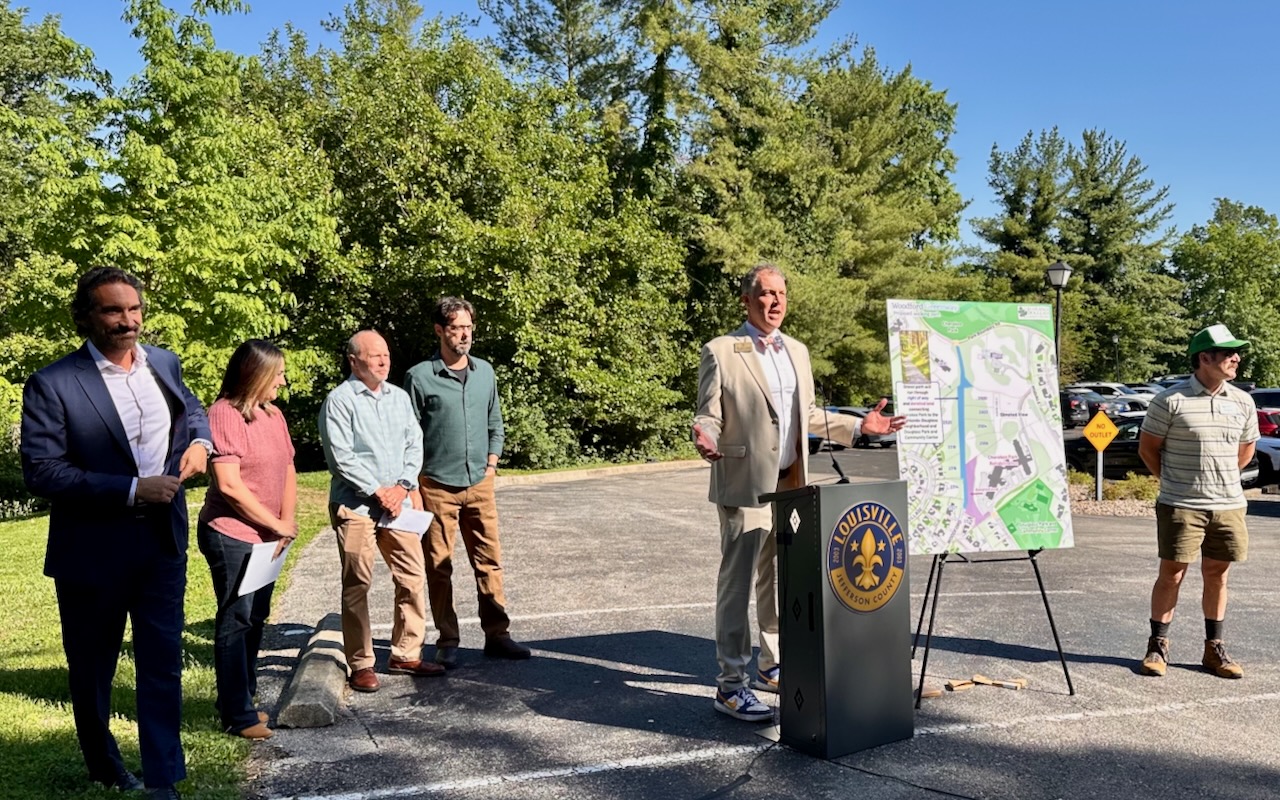
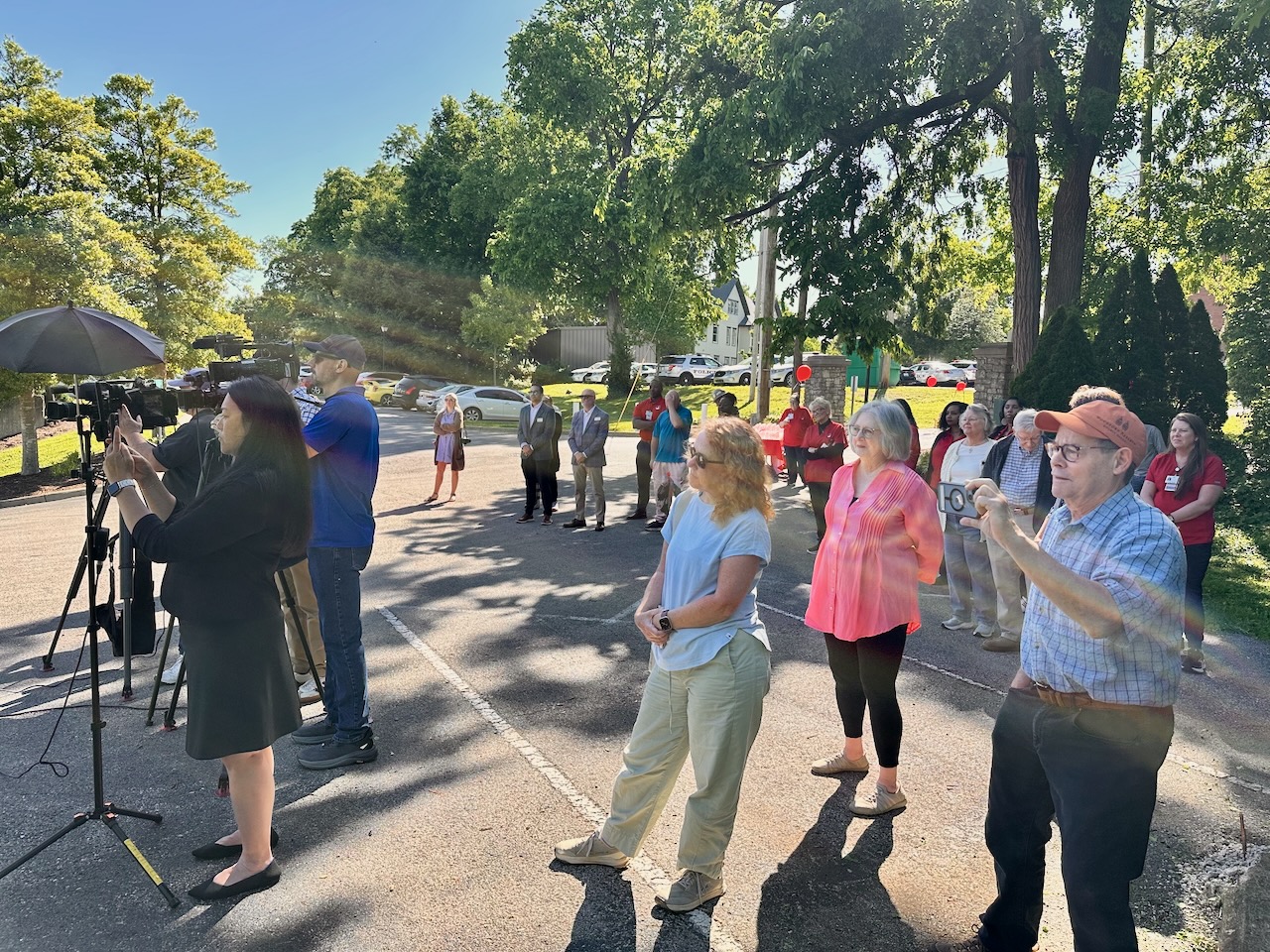
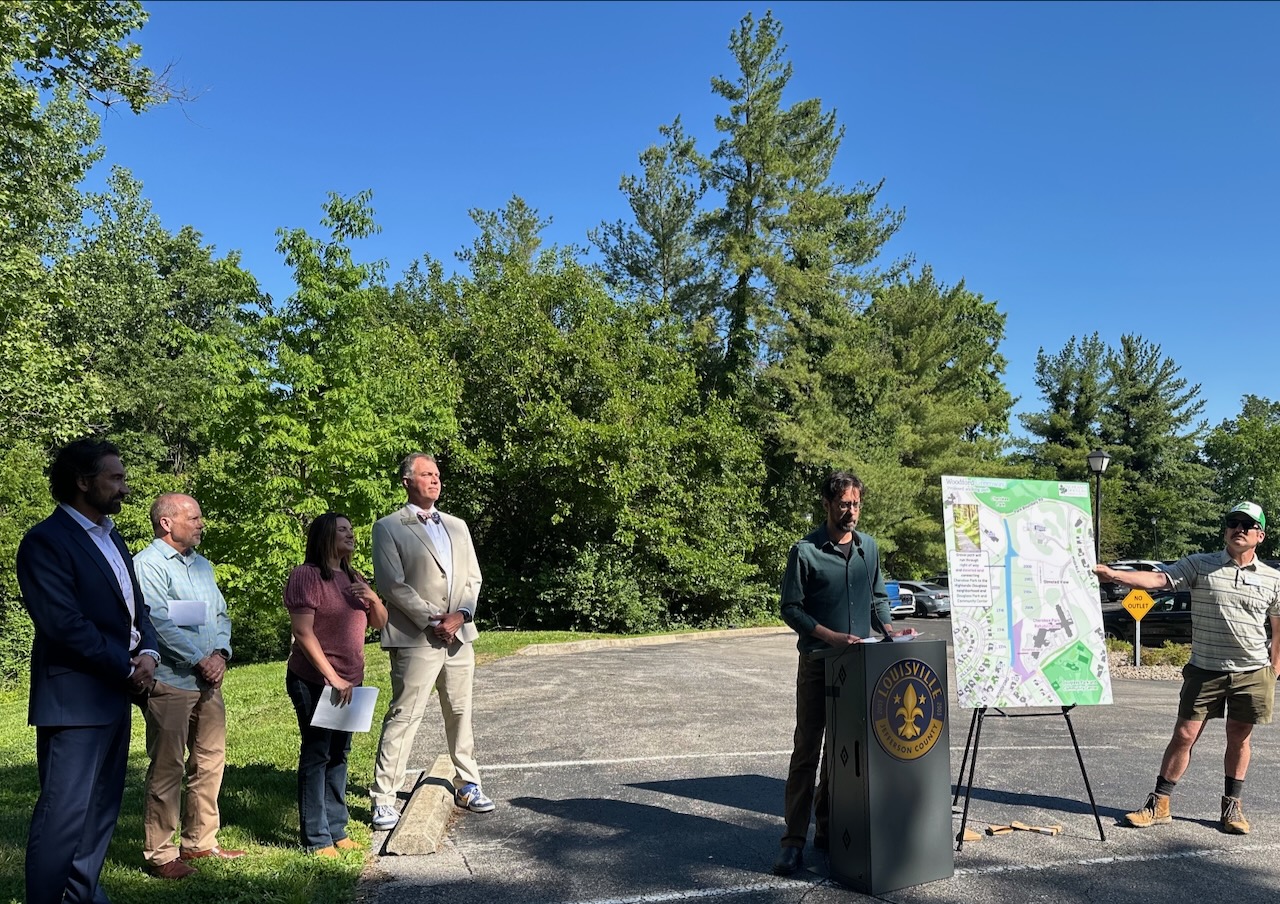
The ceremony to inaugurate work on the trail happened at 10am, May 11, 2026.